
BLOG
Exosome Therapy: The Next Step in Regenerative Medicine
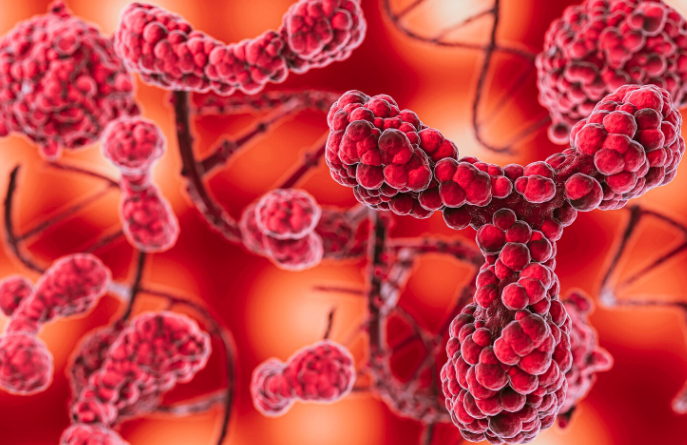
Regenerative medicine is constantly evolving, offering new ways to restore health and vitality. While stem cells and PRP have already shown significant results, exosome therapy is emerging as one of the most promising frontiers. Exosomes are tiny messengers released by cells that carry vital information to stimulate repair and regeneration. Because of their versatility, they are now used in fields ranging from orthopedics to aesthetics and neurology.
What Are Exosomes?
Exosomes are microscopic vesicles secreted by cells, including stem cells. They contain proteins, lipids, and genetic material (such as RNA) that act as communication signals between cells. In regenerative medicine, exosomes are harnessed to deliver instructions that encourage damaged tissues to repair, reduce inflammation, and promote regeneration.
In other words, if stem cells are the “builders,” exosomes are the “blueprints” that guide how the work should be done.
Why Exosome Therapy Matters
Unlike therapies that rely on live cells, exosome therapy uses only the active signals, reducing risks and broadening applications. Key advantages include:
- Anti-inflammatory effects that help with pain and swelling.
- Support for tissue regeneration in muscles, joints, and skin.
- Enhanced communication between cells, accelerating healing.
- Potential neuroprotective benefits, as seen in early studies for neurological conditions.
These features make exosome therapy an attractive option for patients seeking advanced, non-surgical treatments.
Exosomes in Orthopedics
Joint and muscle injuries are common, especially among athletes and aging patients. Exosome therapy can be injected into the affected area to reduce inflammation and stimulate tissue repair. This makes it a valuable complement to other regenerative treatments like PRP or stem cells, as it enhances their effects.
For example, a patient with chronic knee pain from cartilage damage may benefit from exosome injections to restore function and reduce discomfort.
Aesthetic Applications: Skin and Hair
In aesthetics, exosome therapy is gaining popularity for its ability to rejuvenate the skin and support hair restoration. Exosomes encourage collagen and elastin production, improving skin texture and reducing fine lines. When applied to the scalp, they can stimulate hair follicles and promote thicker, healthier hair.
Compared with traditional cosmetic treatments, exosomes offer a more natural and biologically active approach to rejuvenation.
Neurological Potential
While still under research, exosome therapy shows promise in supporting patients with neurological conditions. Because exosomes can cross biological barriers, they may help deliver signals to the nervous system that reduce inflammation and promote neural repair. Although more studies are needed, this potential highlights how wide the scope of exosome therapy could be in the future.
How Exosome Therapy Differs From PRP and Stem Cells
Exosome therapy complements, rather than replaces, other regenerative treatments.
- Compared with PRP, which provides growth factors directly from the patient’s blood, exosomes deliver a broader set of instructions for tissue regeneration.
- Compared with stem cells, which can differentiate into various tissues, exosomes focus on communication, enhancing the natural healing signals already present.
In our previous article, PRP Treatments: From Joint Pain Relief to Facial Rejuvenation, we explained how PRP stimulates repair. Exosomes take this one step further, coordinating and amplifying those regenerative processes.
At Dr. Diego Hernández’s medical center, we offer exosome therapy as part of personalized regenerative medicine protocols. Whether you are seeking to recover from joint injuries, rejuvenate your skin, or explore advanced options for chronic conditions, our treatments are designed for safety and effectiveness. Visit us at Cl. 7 Sur #42-70, Office 1211 – Forum – Poblado, Medellín, or contact us at (+57) 311 797 0832 / info@drdiegohernandez.com.co. Discover how exosome therapy can be the next step in your journey toward healing and revitalization.

